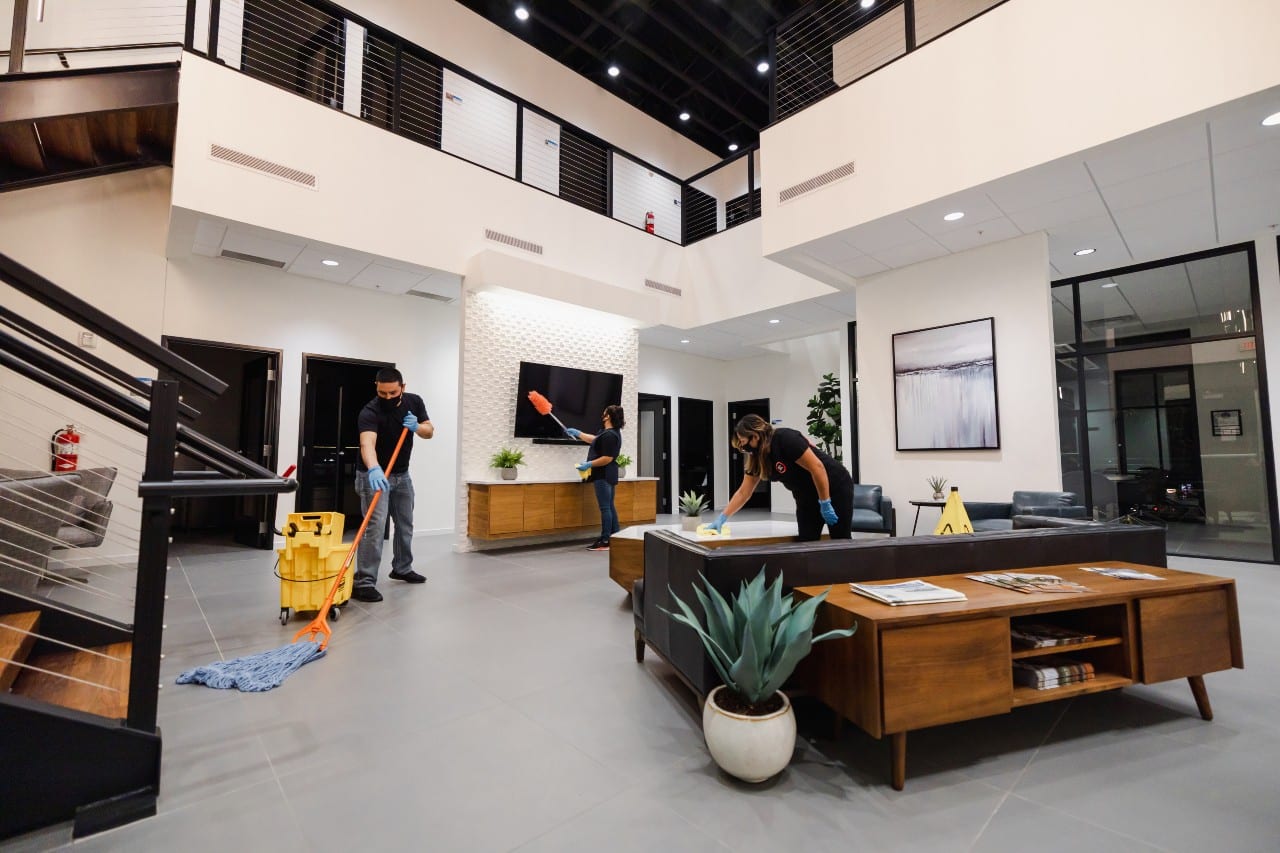
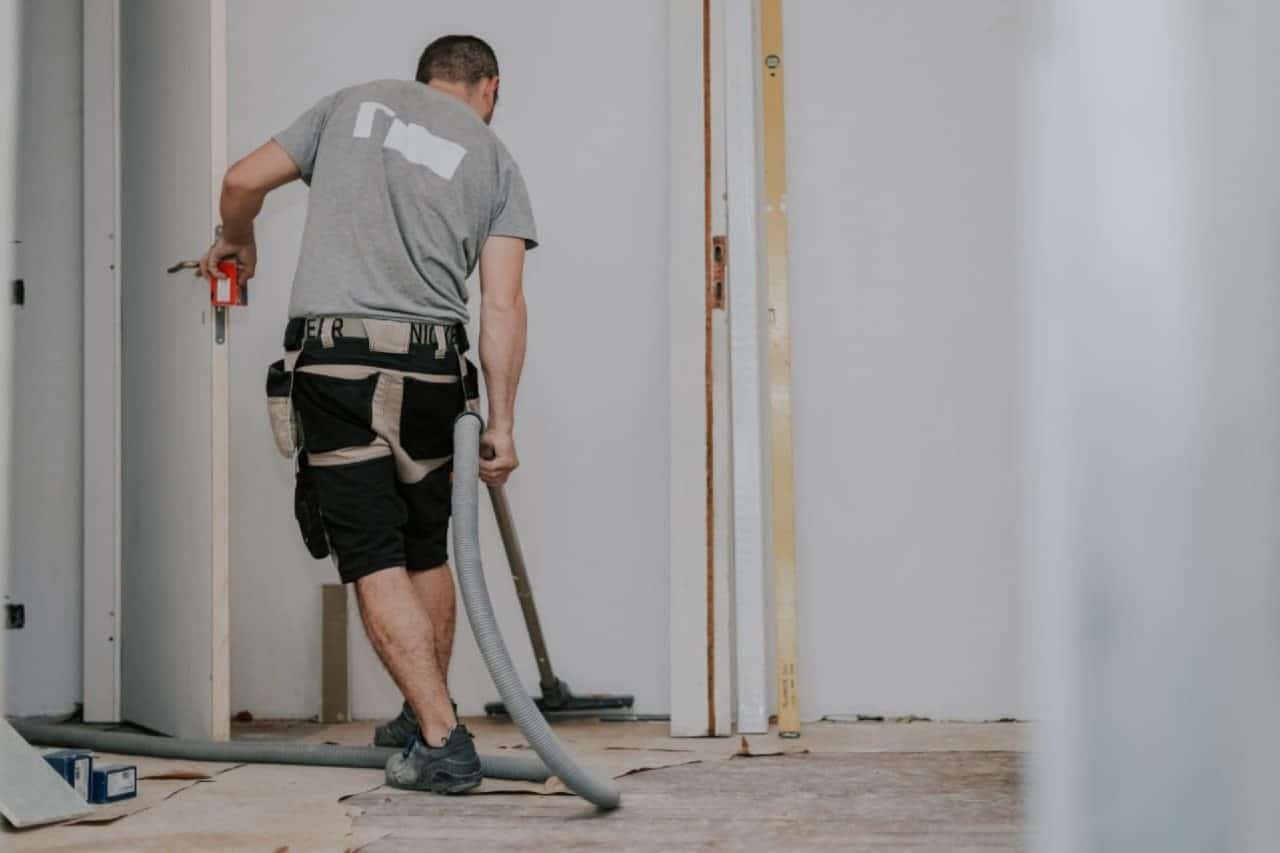
The superintendent is pushing for turnover. The punch list is almost done. And somewhere in the middle of coordinating final inspections and trade wrap-ups, the question of cleaning lands on your desk: what is this going to cost, and how fast can it happen?
It is a fair question, and the honest answer is that post-construction cleaning rates vary considerably from one project to the next. Square footage, scope of work, surface types, and scheduling pressure all factor in. Understanding what actually drives those numbers helps you plan a realistic budget and build a timeline that holds.
Here is what builders and property managers in Eastern Washington need to know before they call for a quote.
In this post, you’ll learn:
- The key variables that drive post-construction cleaning costs
- How timelines are set and why coordination matters as much as speed
- What a professional cleaning partner brings to the planning process
- How to get an accurate quote for your specific project
What Drives Post-Construction Cleaning Costs
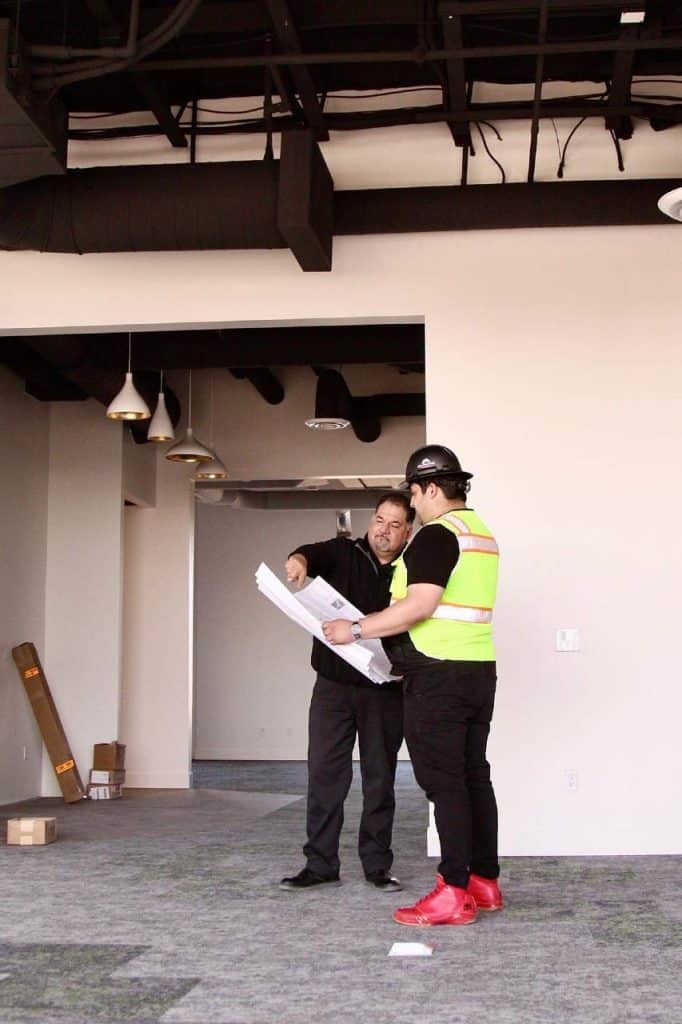
No two construction sites are identical, and post-construction cleaning costs reflect that. As Angi notes, several factors shape what you can expect to pay, starting with the basics.
Square footage is the most straightforward driver. Larger spaces require more labor hours, more product, and more equipment time. A 500-square-foot tenant improvement and a 50,000-square-foot commercial build are entirely different jobs, even if both need the same three phases.
Scope of construction work matters just as much. A light renovation leaves behind far less debris than a ground-up build. The extent of the work directly affects how many cleaning phases are needed and how labor-intensive each one will be.
Number of cleaning phases is where post-construction cleaning cost can shift significantly. A rough clean only, which covers large debris removal and basic vacuuming, carries a very different price point than a full three-phase process. That full process includes the rough clean, a detailed clean using HEPA-style vacuuming and meticulous surface work, and a final touch-up pass covering glass, doors, floors, and a walkthrough to confirm move-in readiness. More phases mean more crew time, more product, and more coordination.
Surface and material types add another layer. Tile, hardwood, carpet, glass, and specialty finishes each require different tools and techniques. A project with polished concrete and floor-to-ceiling glass demands a different approach than one with standard commercial carpet and painted drywall.
Adhesive and protective film removal is often underestimated. Labels, tape, and protective film on windows, trim, and doors take time and require specific products to remove without damaging new surfaces. It is a line item worth discussing upfront.
Layout and access complexity affects labor time directly. Tall walls, high ceilings, tight mechanical spaces, and multi-story layouts require additional equipment and crew hours that a straightforward single-floor layout does not.
Timeline pressure is the final variable. Rush turnarounds before inspections or move-ins can affect crew allocation and scheduling. Building in reasonable lead time keeps construction cleaning services running on schedule and on budget.
How Timelines Are Set
A realistic timeline is not just about how fast a crew can clean. It is about coordinating with the construction schedule and the superintendent so that each phase happens at the right moment.
Coming in too early is a common mistake. If trades are still on site, dust and debris will accumulate again after the clean, and the work has to be redone. Coming in too late pushes back occupancy, listing dates, or final walkthroughs. Each phase, rough clean, detailed clean, and final touch-up, should align with punch-list completion and inspection milestones, not just the calendar.
Larger and more complex projects require more lead time for scheduling. According to the AGC, 78% of construction firms reported at least one delayed project in the past 12 months. A cleaning partner who builds flexibility into the schedule helps absorb those delays without pushing your turnover date further out.
Realistic timeline planning starts with a clear scope of work and a written checklist before the first crew sets foot on site.
What a Professional Cleaning Partner Brings to the Cost Conversation
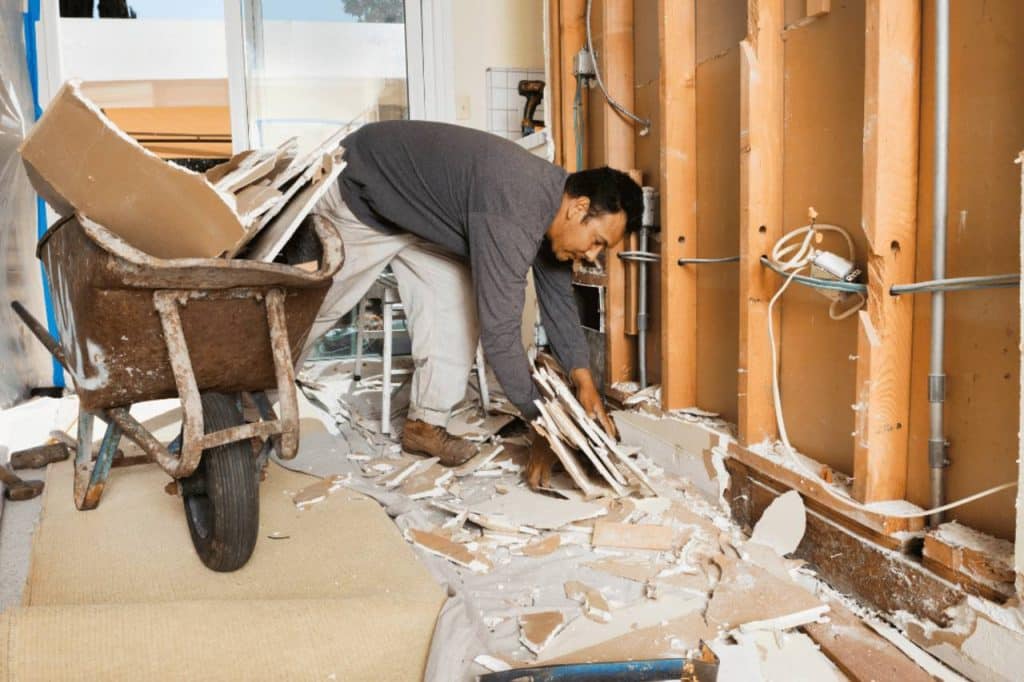
The difference between a reliable post-construction cleaning partner and an ad-hoc crew shows up in the planning phase, not just the finished product.
A professional partner provides a transparent scope of work and a written checklist so you know exactly what is included in each phase before work begins. Cleaning plans are customized based on building size, surface types, foot traffic patterns, and the specific requirements of your project. Trained crews arrive with commercial-grade equipment and standardized procedures, which means consistent results across every phase and fewer callbacks.
Working with a single, reliable partner across all three phases also reduces the coordination overhead that comes with managing multiple vendors during a tight turnover window.
At Dura-Shine Clean, we serve commercial, residential, and industrial projects across Eastern Washington, with more than 25 years of local experience behind every job.
Get a Quote Built Around Your Project
An accurate post-construction cleaning cost estimate starts with a conversation about your specific project scope. Square footage, phases needed, surface types, and your target timeline all factor into a quote that actually reflects the work involved.
The process is straightforward. No pressure, no guesswork.
Contact Dura-Shine Clean to get a quote for your post-construction cleaning project and find out what a realistic timeline looks like for your site.